

News Summary
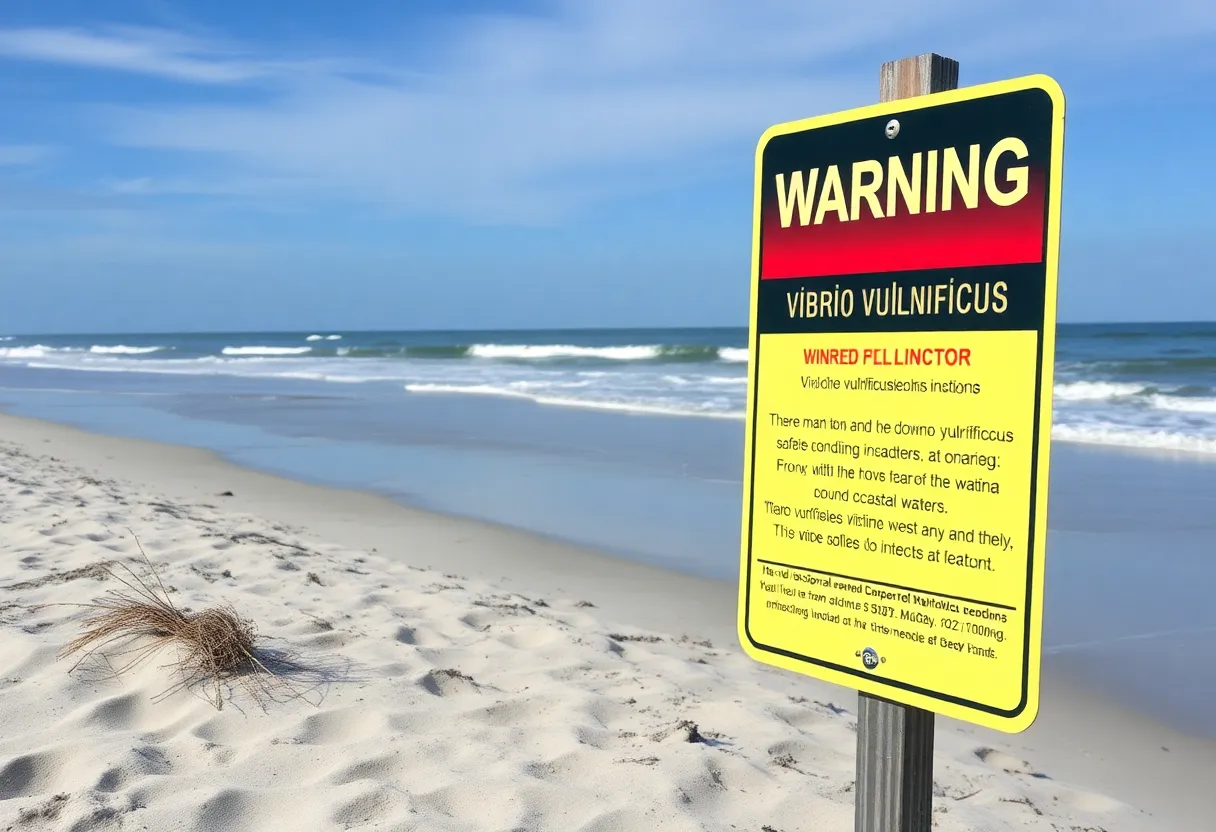
Health officials in the Outer Banks, NC, are sounding an alarm as cases of Vibrio vulnificus infections rise. The bacterium, dangerous to those with open wounds, has led to hospitalizations and fatalities this summer. Officials urge caution, especially in coastal waters, as record water temperatures and heavy rainfall could increase risks for residents and visitors. Public health advocates recommend avoiding brackish water exposure if injured and adhering to safety measures with shellfish.
Outer Banks, NC – Health Officials Warn of Rising Vibrio vulnificus Infections
A man in the Outer Banks has been hospitalized for over a week due to a severe infection caused by Vibrio vulnificus, a bacterium that poses significant health risks, especially for individuals with open wounds. This case highlights an unsettling trend, as North Carolina’s Department of Health and Human Services (DHHS) has identified 59 instances of infections linked to this bacterium and reported one death statewide as of July 31, 2023. This total marks the second-highest number of midsummer cases recorded in the past five years.
Vibrio vulnificus is particularly dangerous as it can lead to fatal outcomes within 48 hours if not treated promptly. The Centers for Disease Control and Prevention (CDC) estimates that approximately 20% of such infections can result in death. Symptoms may include severe skin infections, stomach issues, fever, and chills. The bacterium’s prevalence in coastal regions has coincided with rising sea temperatures, which are reportedly reaching as high as 87 degrees Fahrenheit in some areas along the Outer Banks this summer, compared to an average of 85 degrees.
Rachel Noble, a microbiologist at the University of North Carolina at Chapel Hill, indicates that water temperatures near Cape Hatteras are currently around two degrees above the 30-year historical average. These higher temperatures, combined with warmer winters, enable Vibrio bacteria to survive and proliferate year-round, increasing the risk of infection during the hotter months of the year. Heavy rainfall can also enhance the likelihood of Vibrio infections by diluting salinity in brackish waters, which in turn encourages the growth of the bacteria by washing additional nutrients into these water bodies.
In recent weeks, states such as Louisiana and Florida have reported a total of 30 infections and eight fatalities due to Vibrio this summer. Public health experts have expressed concerns that the incidence of Vibrio cases may rise further as late-season heat and tropical downpours approach coastal areas.
In North Carolina, July 2023 saw a record number of three fatalities associated with Vibrio infections. Health officials are advocating for increased caution among residents and visitors alike. They urge individuals with open wounds to avoid exposure to saltwater or brackish water. If exposure occurs, it is recommended to wash thoroughly with soap and fresh water. Other preventative measures include treating wounds with hydrogen peroxide, cooking shellfish to safe internal temperatures, and seeking medical attention if a wound becomes red, swollen, or blisters within 24 hours of exposure.
The risk associated with Vibrio infections extends not only to those with open wounds but also to individuals who consume raw or undercooked shellfish. The symptoms of such infections can present in various forms, including skin infections and gastrointestinal distress.
As the summer of 2023 unfolds, the unusual increase in water temperatures portends a rising threat of Vibrio infections, which are increasingly linked to climate changes that impact ocean temperatures. Public health officials reiterate the importance of being proactive, advising individuals to stay out of brackish water if they have any injuries and emphasizing the use of waterproof bandages where necessary.
In light of the situation, residents and visitors are reminded to remain vigilant and to seek healthcare guidance if they experience any symptoms following potential exposure to contaminated water or shellfish. Enhanced awareness and preventive measures are crucial in mitigating the growing risks posed by Vibrio vulnificus infections in the Outer Banks and beyond.
Deeper Dive: News & Info About This Topic
HERE Resources
Outer Banks Man Hospitalized Due to Flesh-Eating Bacteria Infection
Additional Resources
- WRAL: Flesh-Eating Bacteria Sends Outer Banks Man to ICU
- WXII12: CDC Warns of Flesh-Eating Bacteria in North Carolina
- Pilot Online: Record-Breaking Vibrio Infection Deaths in NC
- NC Newsline: Three North Carolinians Die from Vibrio Infections
- Pilot Online: Legendary Outer Banks Crabber Dies from Suspected Vibrio
- Wikipedia: Vibrio vulnificus
- Google Search: Vibrio vulnificus
- Google Scholar: Vibrio vulnificus
- Encyclopedia Britannica: Vibrio
- Google News: Vibrio infections NC