


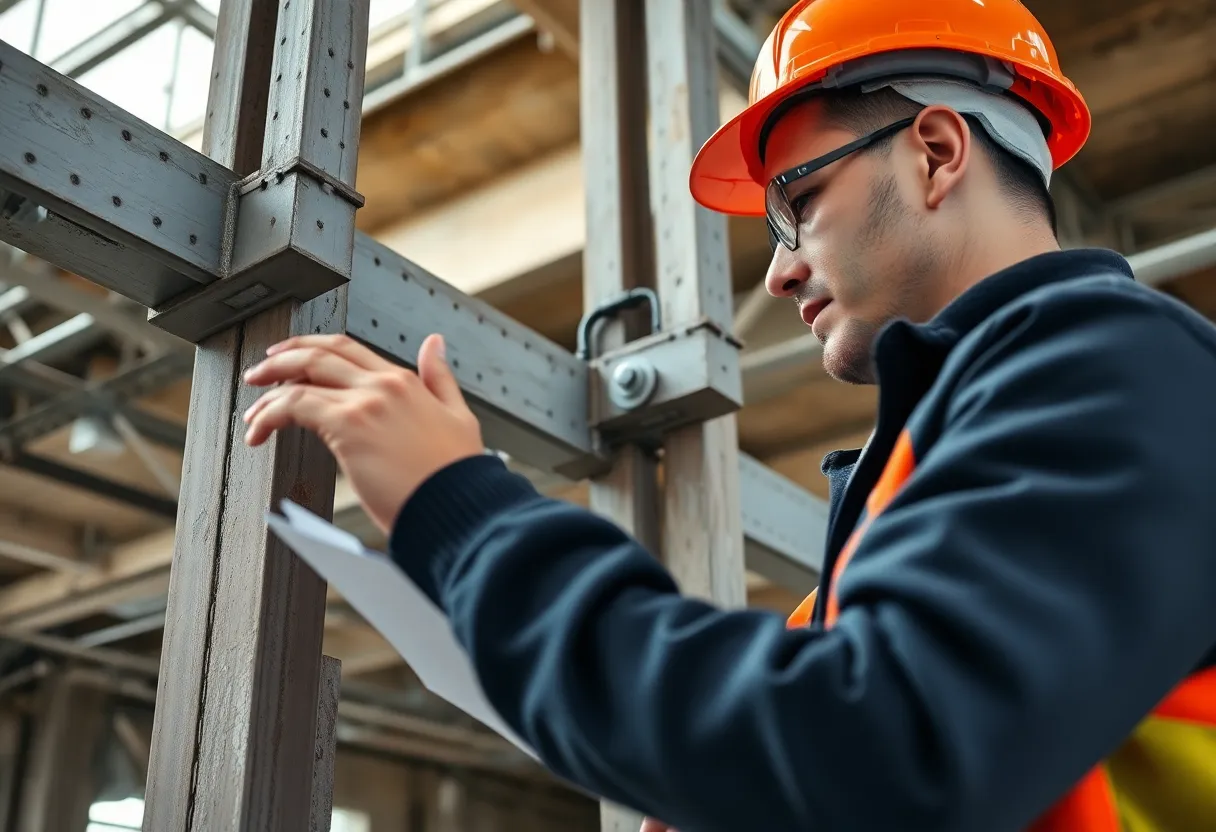
How to Choose the Right Connection for Your Structure
Choosing connections in structural design is a critical aspect of building any structure, whether it’s a commercial building, bridge, or residential home. The connections you select can significantly impact the integrity, durability, and performance of the structure. Therefore, understanding how to select the appropriate connections is key for engineers, architects, and builders.
Understanding Connections in Structural Design
Connections serve as the crucial link between different structural elements. They facilitate load transfer, help maintain stability, and ensure overall structural integrity. There are various types of connections, including welded, bolted, and more specialized options, each serving specific purposes in different contexts.
The Importance of Connection Choice
The right choice of connections contributes to the following:
- Load Capacity: Connections must be able to handle forces acting on the structure, including tensile, compressive, and shear forces.
- Flexibility: Some structures require flexibility to withstand dynamic loads, such as seismic forces or wind pressure.
- Durability: Connections must be resistant to corrosion, fatigue, and other environmental factors.
- Ease of Assembly: Efficient construction relies on connections that are straightforward to install while maintaining performance standards.
Initial Considerations When Choosing Connections
1. Type of Structure
The nature of your structure significantly influences your connection choice. For instance, residential buildings may prioritize ease of construction, while high-rise structures must address safety and serviceability concerns under dynamic loading conditions.
2. Material Used
The material of the structural elements also guides your connection selection. Steel connections differ in design and execution from those in concrete or timber. For example, precast concrete may require different methods than traditional cast-in-place concrete.
3. Loading Conditions
Each structure experiences unique loading conditions, from vertical loads to lateral forces. Understanding these forces will help determine the most suitable types of connections. For example, bolted connections are often preferred where significant tension forces exist.
Key Loading Considerations:
- Dead loads
- Live loads
- Environmental loads (wind, seismic)
Types of Connections
1. Welded Connections
Welded connections are created by fusing the materials together, providing a continuous structure. These connections excel in minimizing weak points and maximizing strength. However, they require skilled labor and specific equipment. They are not as easily disassembled as bolted connections.
2. Bolted Connections
Bolted connections involve the use of bolts and nuts to create a mechanical connection. Their installation can be faster than welding, and they are simpler to inspect. Bolted joints can be disassembled, which is advantageous for repair and modifications.
3. Precast Solutions
In structural design, precast solutions have grown in popularity due to their speed of construction and consistent quality. Precast components can use specific connections designed for integration upon site assembly. However, the connections need to accommodate tolerances in the precast elements effectively.
Precast Connection Considerations:
- Connection design must accommodate the method of transportation and handling.
- They should allow for installation accuracy.
- Connections should facilitate necessary fire ratings and fixings for utilities.
Evaluation of Connection Performance
1. Structural Analysis
Perform a thorough structural analysis to evaluate how different connections behave under anticipated loads. Computer simulations and analytical methods can be employed to predict performance.
2. Testing and Compliance
Always ensure that your connection designs comply with relevant building codes and standards. Conduct tests for shear, tension, and flexural capacities to validate the connection performance.
Practical Considerations
1. Construction Efficiency
Consider the construction timeline. Some connections may take longer to install due to complexity, while others can enhance productivity through simpler assembly methods.
2. Cost Implications
Budget constraints will inevitably affect your choice of connections. Evaluate material costs, labor, and the long-term maintenance requirements that may result from specific choices.
3. Sustainability
In today’s design climate, sustainability plays an expanding role in material choices. Look for connections that utilize recycled materials or enable energy-efficient assembly methods, which can positively impact the environment and minimize waste.
Final Thoughts
Choosing the right connections for your structure is not merely a technical issue; it integrates engineering principles with practical considerations. The ongoing advancements in materials science and engineering techniques continue to evolve how connections are designed and implemented. Comprehensive understanding and evaluation should guide the selection process, ensuring that connections not only achieve structural goals but also promote safety and sustainability.
Ultimately, whether you opt for welded, bolted, or precast solutions, always base your decisions on thorough research and analysis. The right choice in connections significantly impacts the performance of your structure and its longevity.