
Buxton, NC, October 10, 2025
News Summary
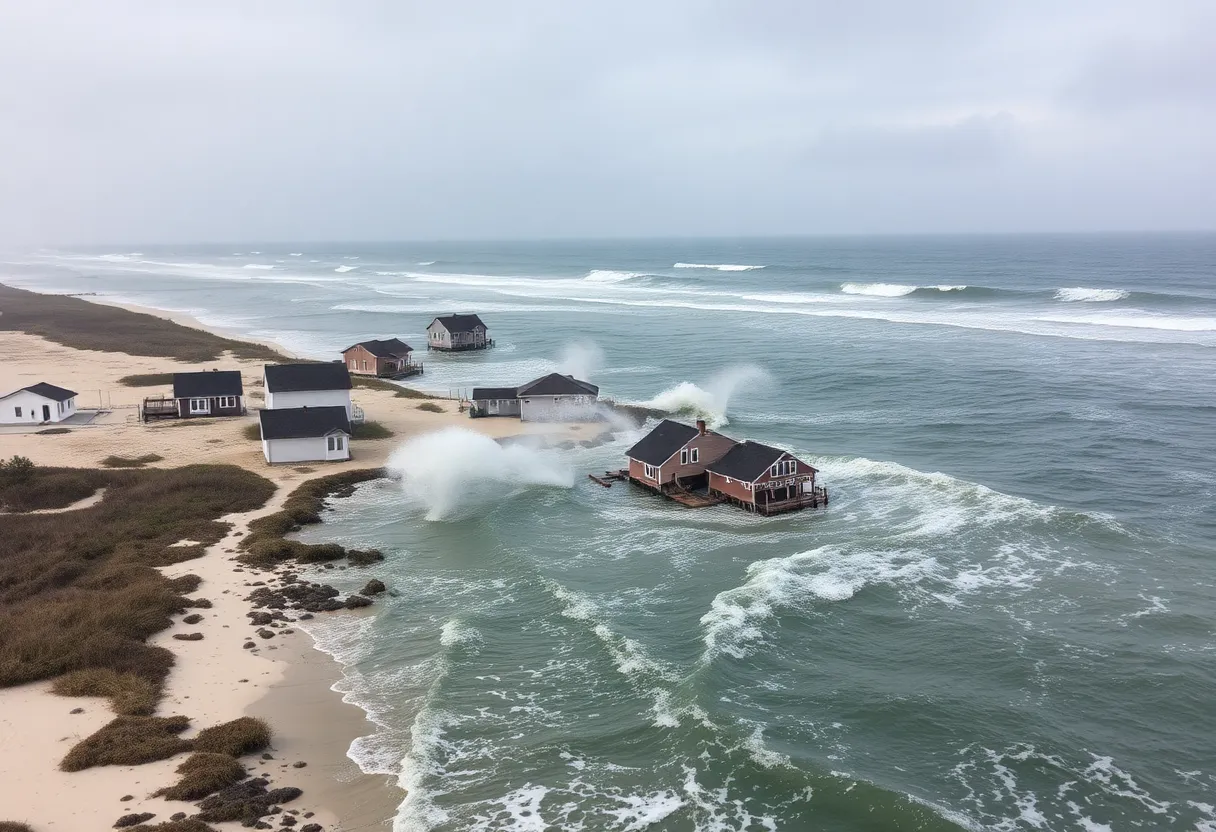
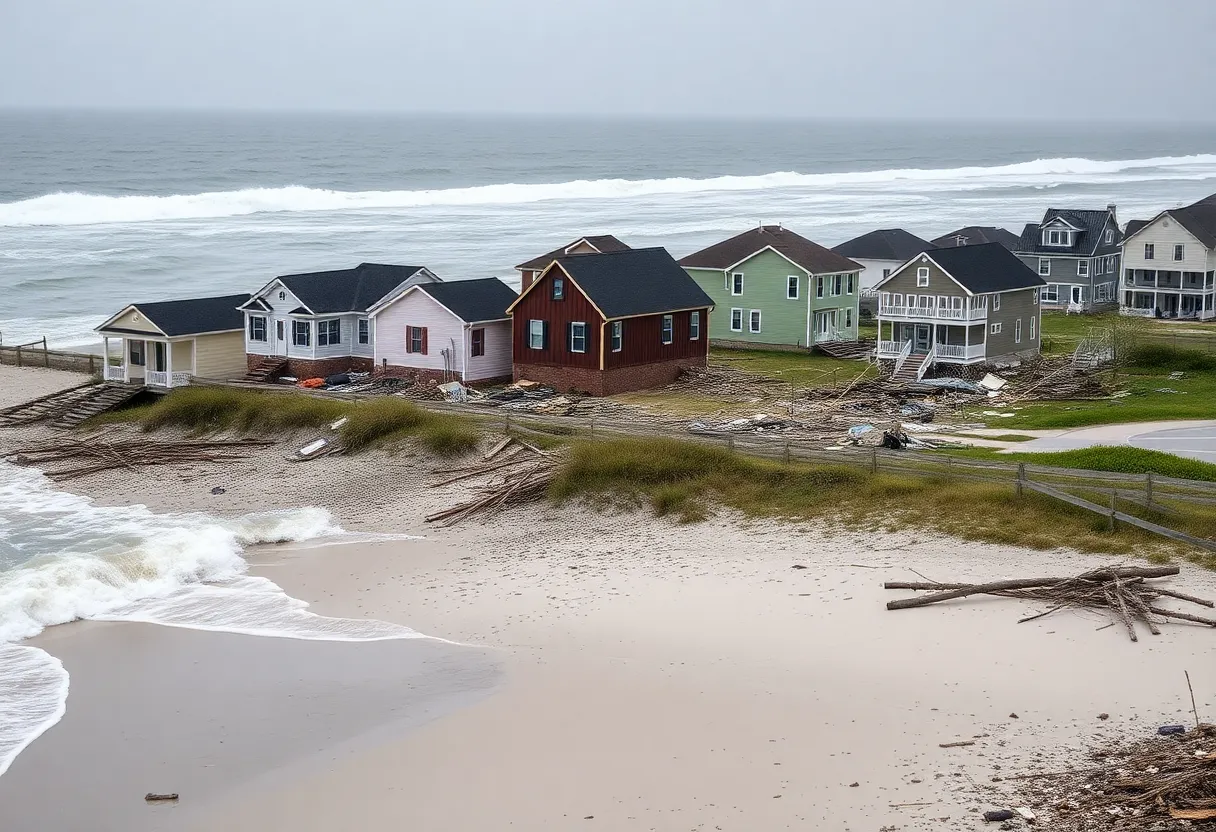
Buxton, North Carolina is facing a significant environmental crisis as nine oceanfront houses have collapsed due to severe coastal erosion and extreme weather. The crisis was highlighted by the fall of five homes into the ocean within just 45 minutes on September 30. Homeowners are increasingly vulnerable as storms and regulatory practices complicate the situation. The ongoing erosion creates additional risks, and cleanup efforts are underway to address debris and prevent further pollution.
Buxton, NC – Nine oceanfront houses have collapsed in Buxton, North Carolina, over the past few weeks due to severe coastal erosion exacerbated by extreme weather conditions. On September 30th alone, five homes fell into the ocean within a span of just 45 minutes, marking a significant environmental emergency for the area.
The collapses are largely attributed to the natural movement of barrier islands westward, coupled with the impacts of back-to-back storms, including Hurricanes Imelda and Humberto, and strong northeast winds. These factors have accelerated beach erosion in the region and caused substantial loss of sand, a crucial element for wave absorption.
Historically, Buxton had not experienced such oceanfront house collapses in over 30 years. However, the recent collapses highlight the increasing vulnerability of coastal properties due to changing climate patterns. Regulatory practices established since the early 1970s have prevented the installation of protective measures, such as jetties and rock structures, along North Carolina beaches.
The Coastal Area Management Act further complicates the situation, requiring setbacks from the high tide line for new constructions. As the ocean encroaches on existing structures, homeowners face challenges if their homes sustain more than 50% structural damage. In such cases, they cannot rebuild and must demolish the property, particularly when environmental issues compromise septic systems.
Due to the absence of insurance coverage for demolition costs, many homeowners opt to leave condemned houses standing, fearing financial repercussions from tearing them down, especially if they still carry a mortgage. Consequently, some homes are left to deteriorate and eventually collapse into the ocean.
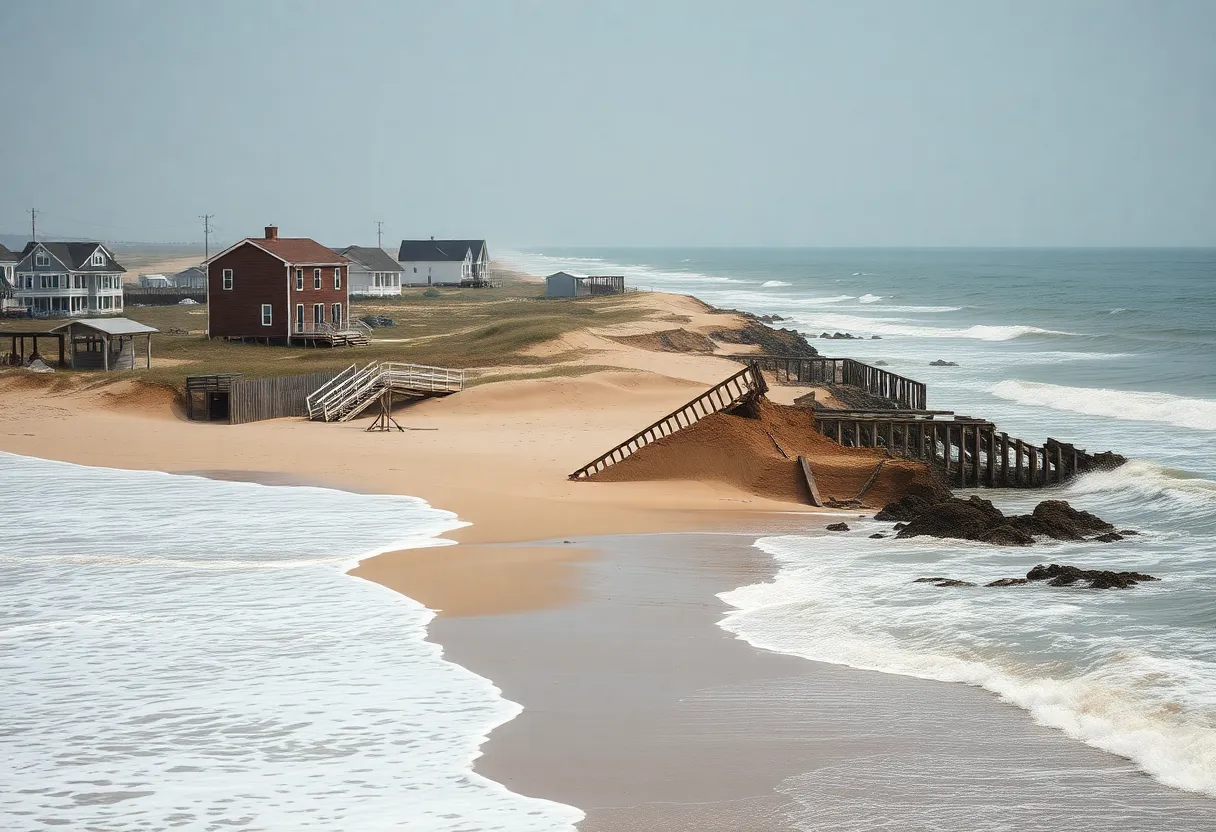
During a recent storm, the average shoreline in Buxton receded by an alarming 68 feet, with some areas losing as much as 141 feet of beach. The ongoing erosion creates risks of household waste, lumber, and insulation from collapsed homes contributing to ocean pollution, particularly as wastewater tanks leak following these events.
Cleanup efforts have commenced, with approximately 40 National Park Service employees engaged in debris removal from the affected beaches. These collapses signify a broader trend of erosion in Buxton and Rodanthe, where historical averages indicate a loss of 10 to 15 feet per year. Additionally, rising sea levels, which have increased by an estimated foot compared to 20 years ago, continue to pressure coastal towns.
Local officials and property owners are actively discussing strategies to manage the condemnation and removal of houses threatened by erosion. The aftermath of the collapses presents public hazards as building materials and debris are scattered across impacted sites, posing safety risks to residents and visitors.
Coastal Erosion and Regulatory Challenges
The coastal erosion problem in Buxton has underscored the limitations of current regulations that restrict protective measures against natural disaster impacts. As the sea continues to rise and climate patterns shift, the future stability of coastal homes remains uncertain.
Key Factors Contributing to Collapses
- Nine oceanfront houses collapsed due to severe coastal erosion.
- Five houses fell in Buxton within 45 minutes on September 30th.
- Hurricanes Imelda and Humberto significantly contributed to the erosion.
- Regulatory practices prevent protective structures on North Carolina beaches.
- Average shoreline retreat of 68 feet recorded during recent storm events.
Cleanup Efforts
The National Park Service is involved in ongoing cleanup efforts to address debris from the collapsed homes. These efforts are crucial in preventing potential pollution and safeguarding public safety in the impacted areas.
Future Outlook
As discussions continue among local officials and property owners regarding the management of homes impacted by erosion, there is a growing need for comprehensive strategies and interventions to protect coastal properties from future risks. The trend of accelerated erosion and rising sea levels only emphasizes the urgency of the situation.
FAQs
How many houses have collapsed in Buxton due to erosion?
Nine oceanfront houses on the Outer Banks in North Carolina have collapsed over the past few weeks due to severe coastal erosion.
What caused the recent collapses of oceanfront houses?
The collapse is attributed to the natural movement of barrier islands westward and extreme weather conditions, including back-to-back storms and hurricanes.
How much beach has been lost during recent storms?
During a recent storm, the average shoreline in Buxton retreated by 68 feet, with some areas losing as much as 141 feet of beach.
What measures are legally prohibited in North Carolina to prevent erosion?
Regulatory practices since the early 1970s prevent the implementation of protective measures such as jetties and rock structures on North Carolina beaches.
What happens if more than 50% of a house’s structure is damaged?
If more than 50% of a home’s structure is damaged, it cannot be rebuilt; owners must demolish it, often due to environmental iterations compromising septic systems.
Deeper Dive: News & Info About This Topic
HERE Resources
Fall Serenity Awaits in Nags Head, Outer Banks
Coastal Storm Threatens Outer Banks This Weekend
Beach Hazards Statement Issued for Northern Outer Banks
Buxton, North Carolina Faces Crisis as Coastal Erosion Leads to House Collapses
Hurricane Erin Weakens: Recovery Begins in North Carolina
Severe Coastal Erosion Hits Buxton, North Carolina
Hatteras Island Welcomes Residents as N.C. 12 Reopens
Outer Banks Tackles Housing Crisis Amid Tourism Surge
Nags Head Homes Devoured by Atlantic Waves
Buxton Residents Face Crisis as Homes Collapse into Ocean
Additional Resources
- WRAL News: 3D Mapping Shoreline Loss in Buxton
- NC Rabbit Hole: Why Are So Many Outer Banks Houses Collapsing?
- Washington Post: Outer Banks House Collapse
- USA Today: Houses Collapse in North Carolina Outer Banks
- AP News: Outer Banks Homes Collapse
- Wikipedia: Coastal Erosion
- Encyclopedia Britannica: Coastal Erosion
- Google Search: Coastal Erosion
- Google News: Outer Banks House Collapse