
North Carolina, September 12, 2025
News Summary
North Carolina is increasingly vulnerable to hurricanes, especially in the Outer Banks region, due to climate change and insufficient disaster preparedness by FEMA. Governor Josh Stein has criticized FEMA’s response to previous disasters, like Hurricane Helene, which caused significant damages. Political tensions are complicating aid distribution, with concerns about partisan bias affecting disaster recovery. Additionally, operational challenges at FEMA, including staff reductions, could hinder future responses as the hurricane season approaches. A lawsuit filed against FEMA regarding the cancellation of a disaster mitigation program further highlights these issues.
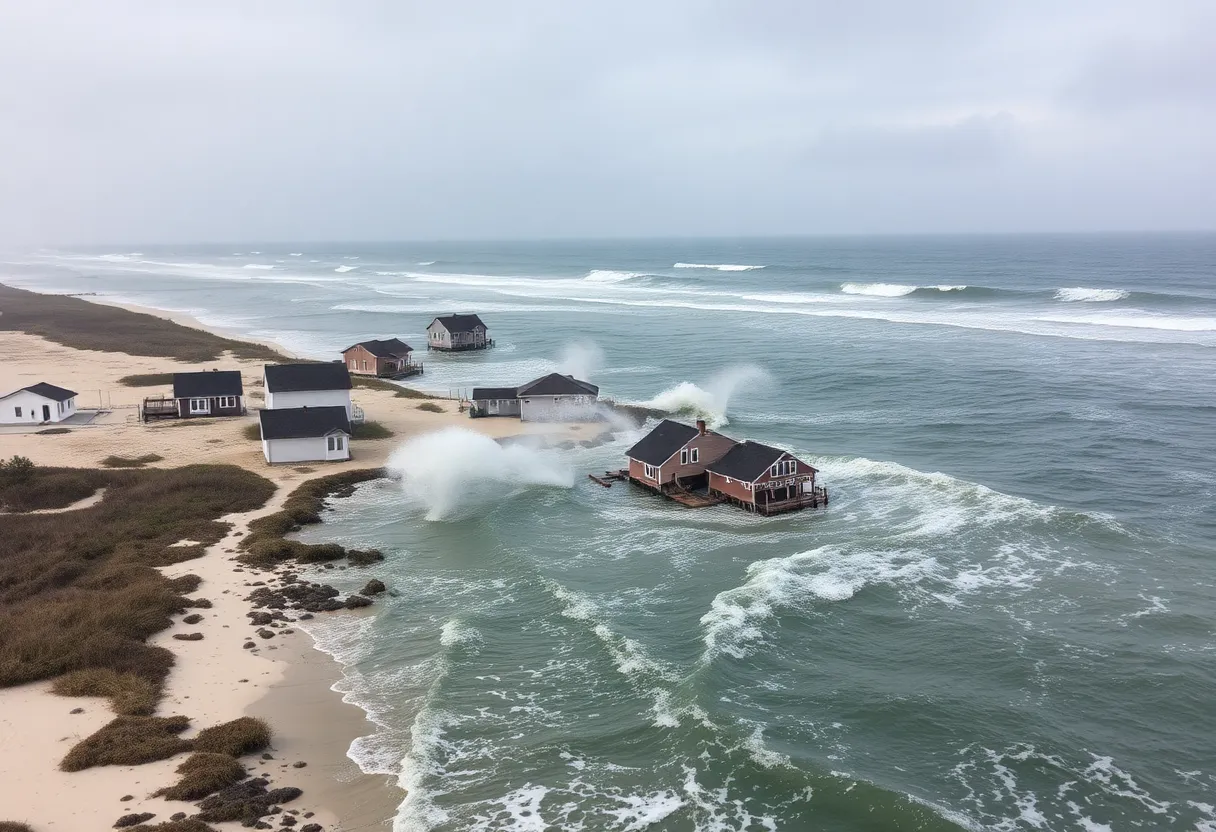
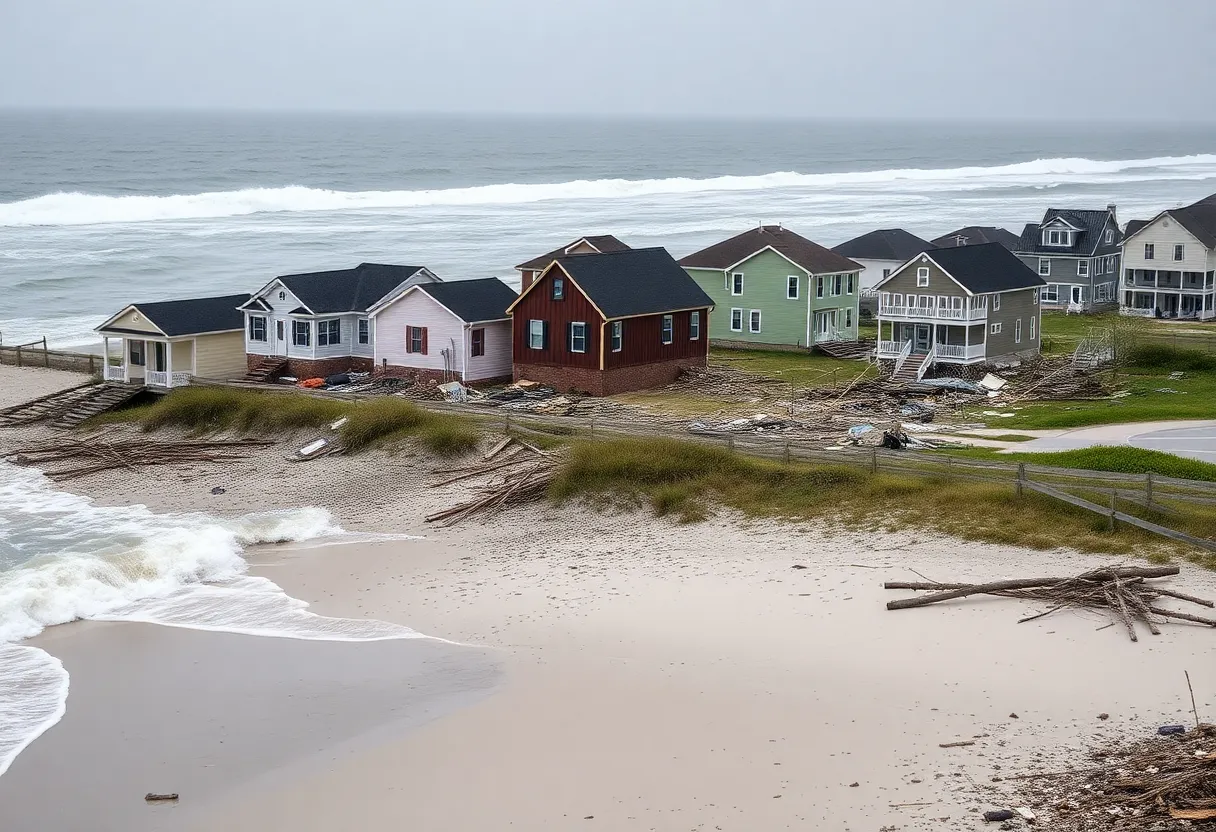
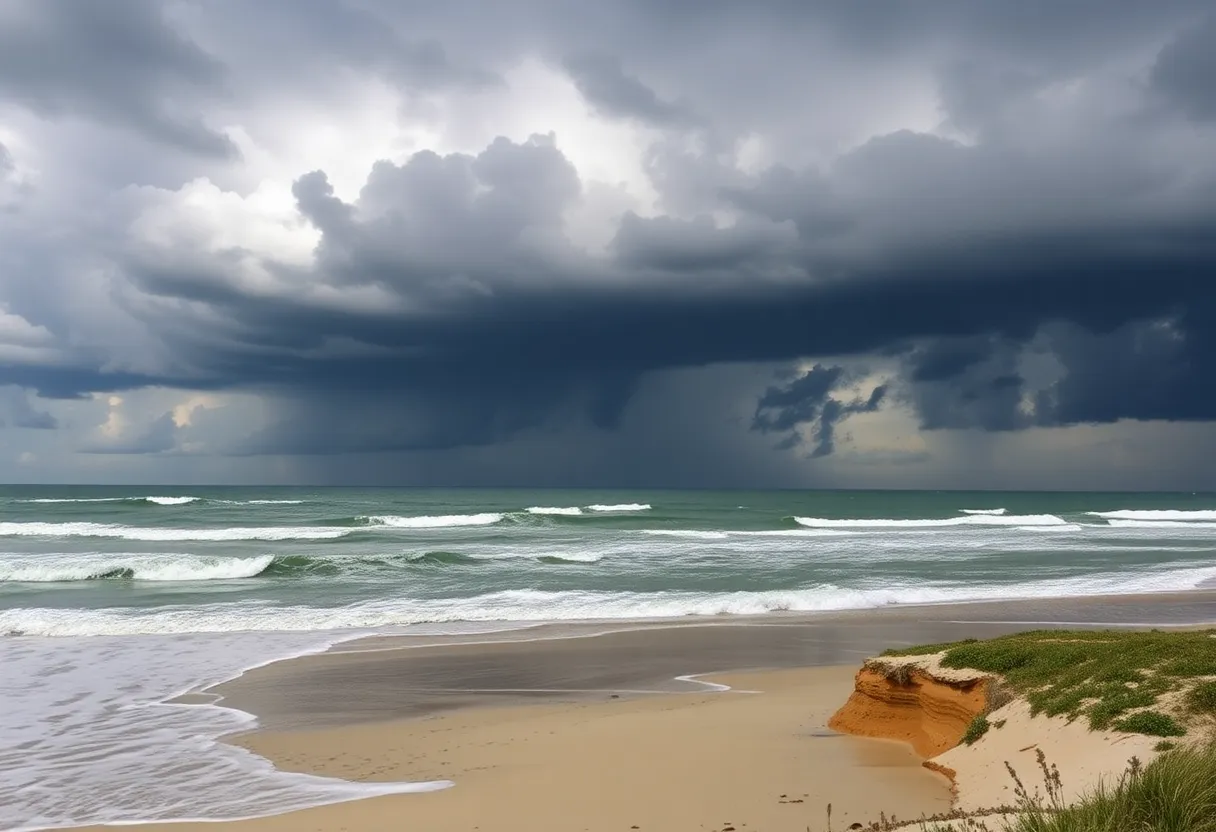
North Carolina is facing increasing vulnerability to hurricanes, compounded by the disarray at the Federal Emergency Management Agency (FEMA) and heightened political tensions. As climate change intensifies the threat of major hurricanes, particularly in the coastal Outer Banks region, the future response capability of FEMA remains uncertain after its handling of prior disasters has been criticized.
Governor Josh Stein has voiced his frustration with FEMA, claiming the agency has not adequately prepared for or responded to natural disasters, particularly following the devastation wrought by Hurricane Helene. This hurricane resulted in damages exceeding $60 billion in western North Carolina nearly a year ago. The potential for a new major hurricane means that North Carolina could need to request additional multi-billion-dollar aid from FEMA amidst ongoing tensions and political disputes.
In the wake of these statements, a White House spokesperson responded to Stein’s criticisms by stating that he is “unfit to run a state.” Such interactions highlight growing concerns that political affiliations might influence disaster aid and preparedness. Historical context illustrates this phenomenon; for instance, during President Donald Trump’s administration, federal assistance faced accusations of partisanship, as demonstrated when he denied Maryland’s request for disaster relief following significant flooding, which was condemned by local officials as being driven by political motives.
Concerns about partisan bias in disaster aid have been echoed by Democratic leaders, who worry that states led by Democratic governors might face obstacles in receiving necessary assistance, as seen in Stein’s situation. While FEMA Administrator Deanne Criswell has assured the public that resources are still available, authorization for aid remains uncertain within the politically charged environment.
Further complicating matters, FEMA has suffered significant staff reductions, losing one-third of its full-time personnel due to budget cuts and attrition. This diminished workforce could critically impact the agency’s ability to respond effectively to future disasters. Additionally, Homeland Security Secretary Kristi Noem has instituted a requirement for her personal approval on expenditures exceeding $100,000, further complicating FEMA’s operations.
In light of these challenges, over 190 current and former FEMA employees have made their concerns known to Congress, arguing that cuts and unfitting policies have severely weakened the agency. Experts point to the current state of FEMA as unprecedented in its history, raising alarms about the agency’s effectiveness in disaster response going forward.
Academic professionals emphasize that disasters are often a result of inadequate planning rather than being solely “natural” occurrences. They contend that a lack of preparedness significantly amplifies the effects of adverse weather events.
The ongoing hurricane season, even with a reduced forecast of eight anticipated storms, poses a significant threat to North Carolina, as the peak of the season approaches. A lawsuit filed on July 16 by North Carolina Attorney General Jeff Jackson against FEMA highlights another troubling aspect of disaster preparedness: the cancellation of the Building Resilient Infrastructure and Communities (BRIC) program, which had allocated over $200 million for crucial infrastructure protections against severe weather.
This lawsuit asserts that the discontinuation of BRIC was unlawful and unconstitutional, arguing that adequate funding is essential to shield North Carolina’s water supply from damage resulting from severe weather events. The aftermath of Tropical Storm Chantal exemplifies these vulnerabilities, with nearly 7 million gallons of untreated sewage spilling into the Eno River due to flooding.
A recent ruling on August 5 has temporarily blocked the reallocation of the $200 million in funds while the case remains under litigation. FEMA, having described the BRIC program as “wasteful and ineffective,” has yet to provide public comment on the ongoing lawsuit.
In summary, the combined pressures of inadequate disaster preparedness, political discord, and insufficient operational capacity at FEMA put North Carolina at risk as the state braces for potential hurricanes in an era of increasing climatic threats.
FAQ
What is the current hurricane vulnerability in North Carolina?
North Carolina is increasingly vulnerable to hurricanes, particularly affecting the Outer Banks, due to climate change and inadequate disaster preparedness.
What has been FEMA’s role in recent disasters?
FEMA has been criticized for its disorganized response to ongoing recovery from significant hurricanes, especially Hurricane Helene, which caused considerable damage.
What political tensions are impacting disaster recovery?
Political disputes have emerged, particularly between state officials and the White House, raising concerns about the potential for bias in disaster aid distribution.
Why is FEMA facing operational challenges?
FEMA has lost one-third of its staff and introduced new requirements for expenditure approvals, hampering its ability to respond effectively to future disasters.
What legal actions have been initiated regarding federal disaster aid?
North Carolina Attorney General Jeff Jackson filed a lawsuit against FEMA for canceling a program vital for disaster mitigation, claiming it was unlawful and unconstitutional.
Deeper Dive: News & Info About This Topic
HERE Resources
Hurricane Erin Causes Devastating Flooding in Outer Banks
North Carolina’s Outer Banks Prepare for Hurricane Erin
Hurricane Erin Triggers Evacuations in Hatteras, NC
N.C. Highway 12 Reopens After Hurricane Erin Flooding
Hurricane Erin Triggers Beach Hazards in Outer Banks
Duck, North Carolina: A Hidden Gem on the Outer Banks
Hurricane Erin Threatens Homes in Rodanthe, NC
Hurricane Erin Causes Major Coastal Disruptions
Coastal Erosion and Storm Costs Rise in Outer Banks, NC
Loggerhead Sea Turtles Spotted in Outer Banks Amid Nest Destruction
Additional Resources
- News Observer
- Wikipedia: FEMA
- News Channel 9
- Google Search: North Carolina hurricane relief
- ABC News
- Google Scholar: FEMA disaster aid politics
- 828 News Now
- Encyclopedia Britannica: disaster preparedness
- Elon News Network
- Google News: FEMA North Carolina lawsuit