
North Carolina, September 9, 2025
News Summary
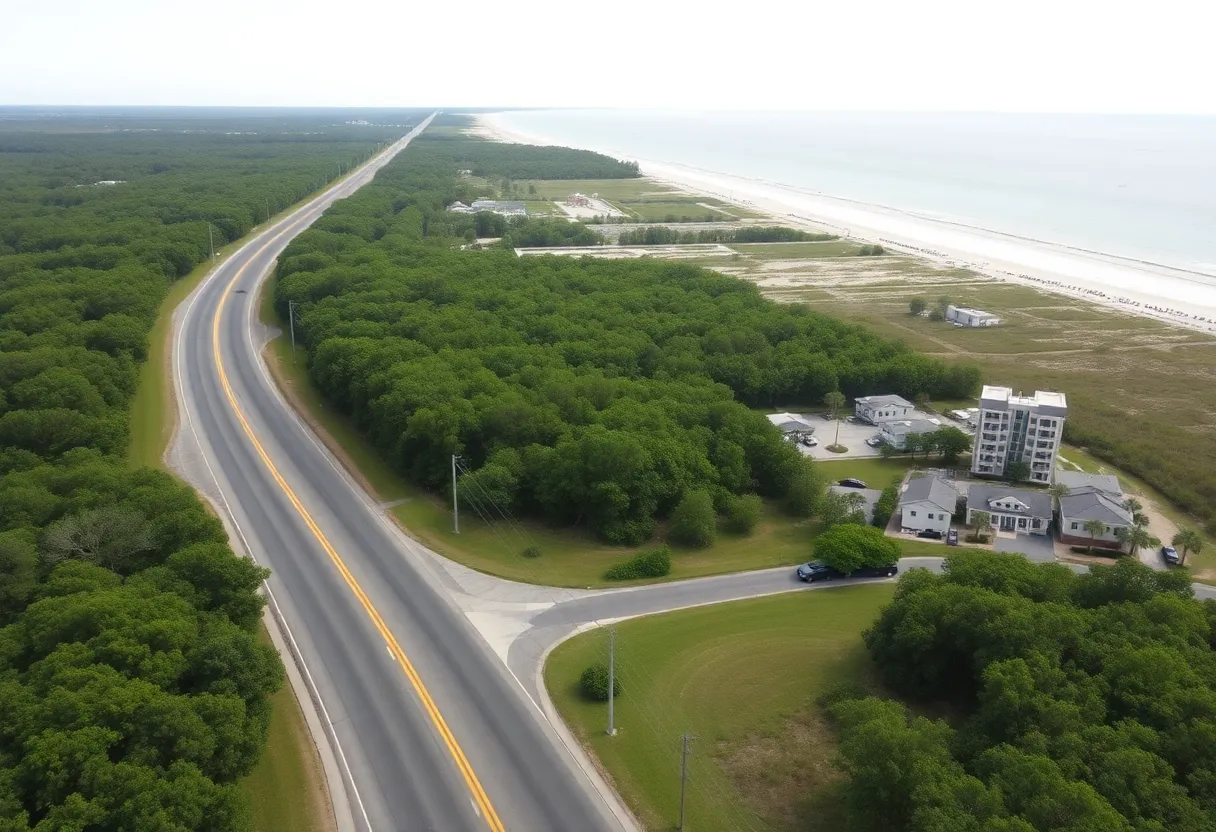
N.C. 133, a crucial road along the North Carolina coast, has reopened following severe flooding caused by Potential Tropical Cyclone 8. The storm resulted in significant damage, including emergency rescues and a tragic loss of life. The reopening is expected to boost local tourism and aid in the ongoing recovery efforts for impacted communities. North Carolina officials are focusing on enhancing infrastructure and safety for future storms.
Wilmington, North Carolina – North Carolina Coast Road Reopens After Severe Flooding, One Year Post-Historic Storm
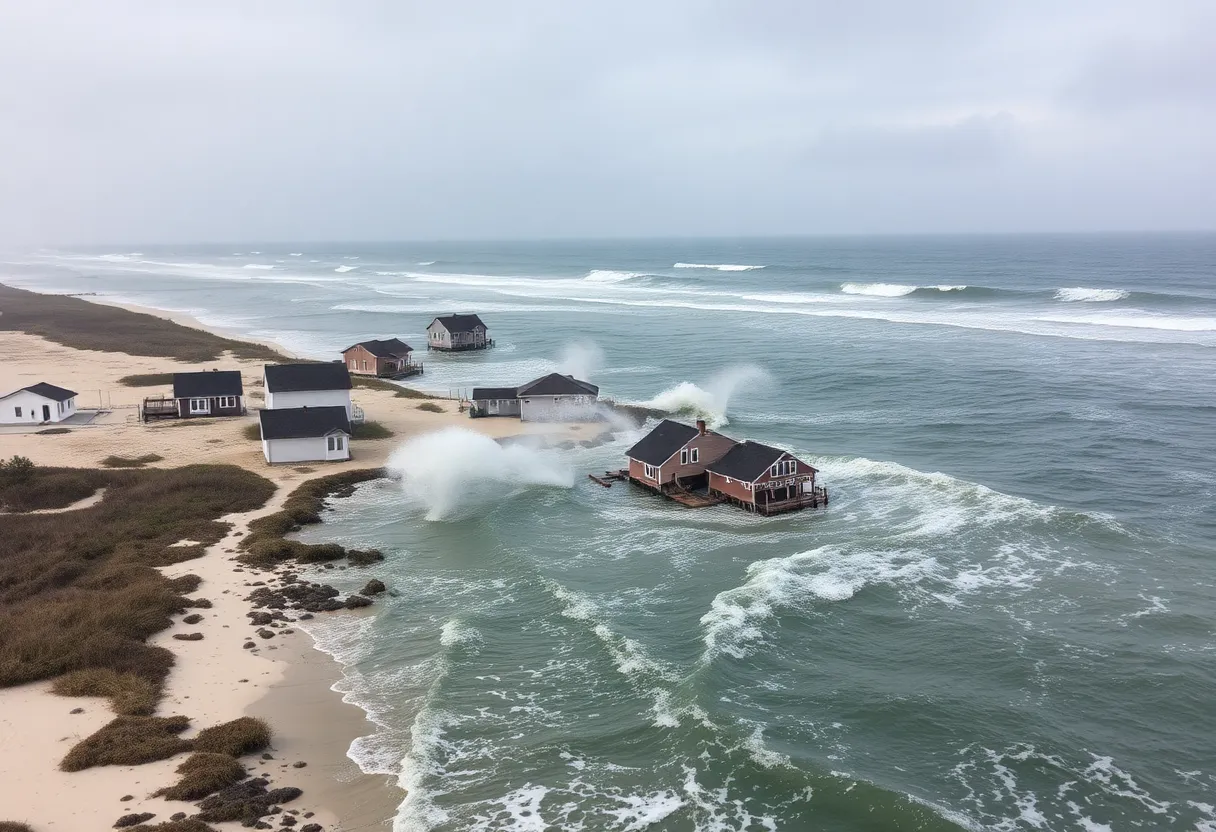
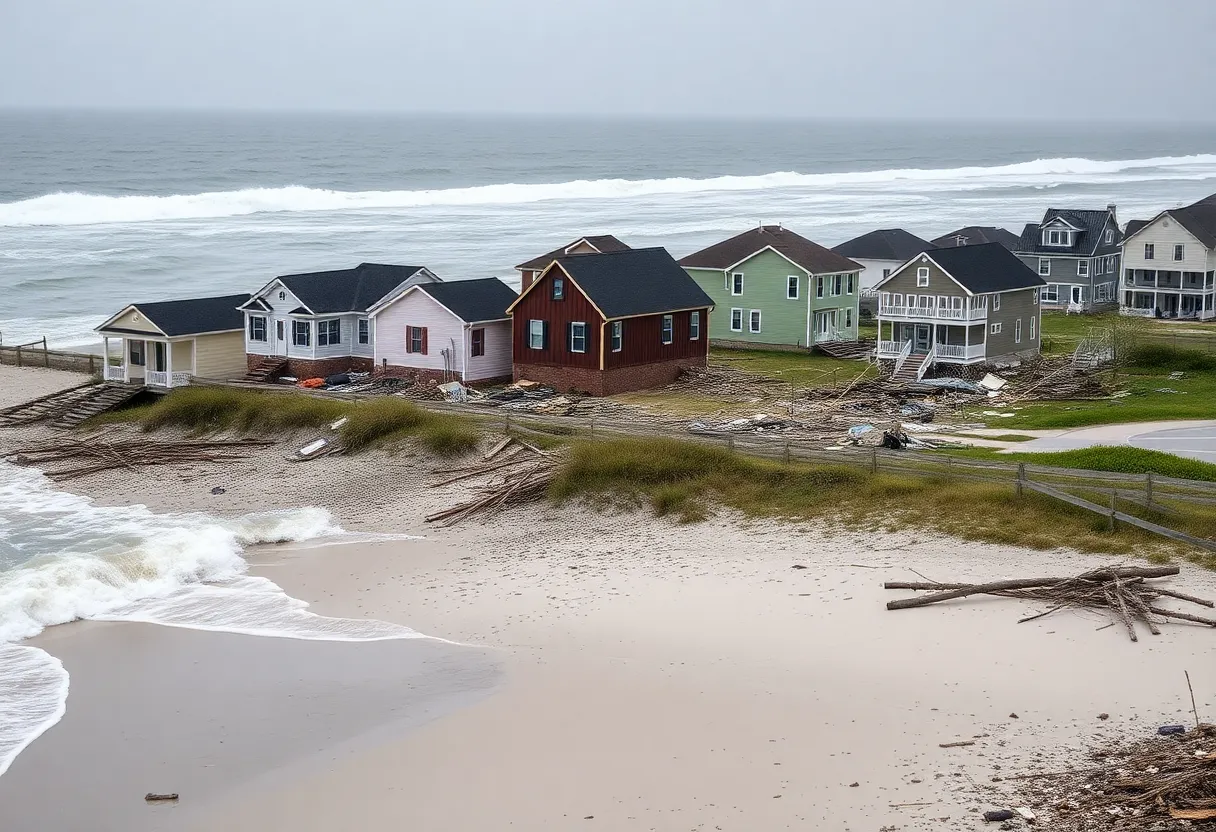
The North Carolina coastline has seen a significant return to normalcy with the reopening of N.C. 133, a vital thoroughfare that was washed out during a catastrophic storm in September 2024. This reopening marks a pivotal step in the recovery of the region, which was severely impacted by Potential Tropical Cyclone 8 (PTC8) that brought nearly 20 inches of rain and triggered massive flooding across Brunswick and New Hanover counties.
The storm led to numerous emergency rescues, with at least 120 individuals saved from rising waters. Tragically, the storm also claimed the life of an 80-year-old man whose vehicle became submerged. The communities along the coast, particularly Carolina Beach, which received close to 21 inches of rainfall, and Southport, with nearly 19 inches, faced substantial disruption. The aftermath of the storm left many roads and bridges unusable, causing considerable economic damage estimated at more than $36.7 million.
Following the storm, recovery efforts accelerated, and now with the reopening of N.C. 133, officials anticipate restored access to popular destinations and a boost in local tourism. The North Carolina coast is renowned for its stunning landscapes, diverse beach experiences, and historical significance, attracting over 11 million visitors annually.
Regional Features and Attractions
The North Carolina coastline stretches over 300 miles between the mainland and the Outer Banks. It is featured for its blend of vibrant activities and tranquil escapes, catering to a range of preferences. Wilmington, the largest city in the region, serves as a hub for travelers looking to explore beautiful beach towns and engage in numerous cultural and outdoor activities.
Emerald Isle often ranks as the most beautiful beach on the coast, featuring white sandy stretches and family-run establishments. Topsail Island offers a serene atmosphere perfect for families seeking quieter leisure; its uncrowded beaches provide a perfect setting for relaxation. For those wanting to explore nature, Shackleford Banks is accessible by boat and is famous for its wild Spanish mustangs and pristine views. Adventure seekers can also find enjoyment at Cape Lookout, known for its historic lighthouse and opportunities for camping and stargazing.
Historical Context
The rich history of the North Carolina coast contributes to its unique charm. Long associated with notorious figures such as Blackbeard, the area was used as a hideout in the early 1700s. Additionally, its treacherous waters have led to numerous shipwrecks over the centuries, earning it the moniker “Graveyard of the Atlantic.” This mix of natural beauty, diverse recreational activities, and historical significance makes the region a noteworthy destination.
In light of the damage caused by PTC8, North Carolina officials are actively working to enhance infrastructure and improve safety measures along the coast, ensuring better preparedness for potential future storms. Local communities are focused on revitalization efforts aimed at restoring the vibrancy and accessibility of the North Carolina coastline.
Conclusion
The reopening of N.C. 133 is a crucial development for the recovery of the North Carolina coast, enabling residents and tourists to return to the beautiful destinations that this region offers. With improved infrastructure and ongoing recovery efforts, the North Carolina coastline is poised for a resurgence in visitor numbers and continues to present a blend of nature, history, and recreational opportunities.
FAQ
What caused the flooding on the North Carolina coast?
The flooding was primarily caused by Potential Tropical Cyclone 8 (PTC8), which brought approximately 20 inches of rain to the region on September 16, 2024, leading to significant water damage and road washouts.
How much damage did the storm cause?
Estimates indicate that the damage from PTC8 exceeded $36.7 million across various affected areas, impacting infrastructure and local community services.
What were the effects of the storm on local communities?
The storm resulted in significant flooding, numerous rescues, and the tragic loss of life. Several roads and bridges remained closed for weeks as recovery efforts were executed.
What is the significance of N.C. 133?
N.C. 133 is a critical road for access along the North Carolina coast, providing vital connections for tourists and local residents alike. Its reopening is a significant step towards recovery and revitalization of the area.
Key Features of the North Carolina Coast Post-PTC8
| Feature | Description |
|---|---|
| N.C. 133 | Recently reopened, crucial for access along the coast. |
| Tourism | Attracts over 11 million visitors annually with diverse offerings. |
| Carolina Beach | Heavily impacted by flooding, received 21 inches of rain. |
| Economic Impact | Damage from PTC8 exceeds $36.7 million. |
| Communities | Ongoing recovery efforts focus on rebuilding infrastructure. |
Deeper Dive: News & Info About This Topic
HERE Resources
Ocracoke, North Carolina Faces Aftermath of Hurricane Erin
Hurricane Erin Triggers Evacuations and Flood Warnings in Nags Head
Newport, North Carolina Faces Life-Threatening Rip Currents
Hurricane Erin Approaches Outer Banks, NC: Tropical Storm Watch in Effect
Roanoke Island Addresses Housing Crisis with New Initiative
North Carolina’s Outer Banks Devastated by Hurricane Erin
Discover North Carolina’s Charming Small Towns for Travelers
Tragic Drowning Incident in Nags Head, North Carolina
13th Annual Outer Banks Veterans Writing Workshop
Roanoke Island Presbyterian Church Secures Grant for Workforce Housing
Additional Resources
- CBS 17: Key Road Open at NC Coast
- Wikipedia: North Carolina
- Meer: The Tranquil Yet Still Wild Beaches of North Carolina
- Google Search: North Carolina beaches
- NY Times: Hurricane Erin Evacuations
- Encyclopedia Britannica: Hurricane Erin
- Fox Weather: Hurricane Erin Impacts
- Google Search: Hurricane Erin 2025
- BBC: Hurricane Erin Updates
- Google News: Hurricane Erin