
Outer Banks, North Carolina, August 26, 2025
News Summary
The Outer Banks of North Carolina face a significant threat from coastal erosion, leading to home destruction and infrastructure damage. Since 1980, some areas have lost over 675 feet of beach, with notable impacts following hurricanes. The state has spent millions in maintenance efforts for essential roadways like Highway 12, highlighting the urgent need for protective measures as climate change exacerbates the crisis.
Outer Banks, North Carolina: Severe Coastal Erosion Threatens Homes and Infrastructure
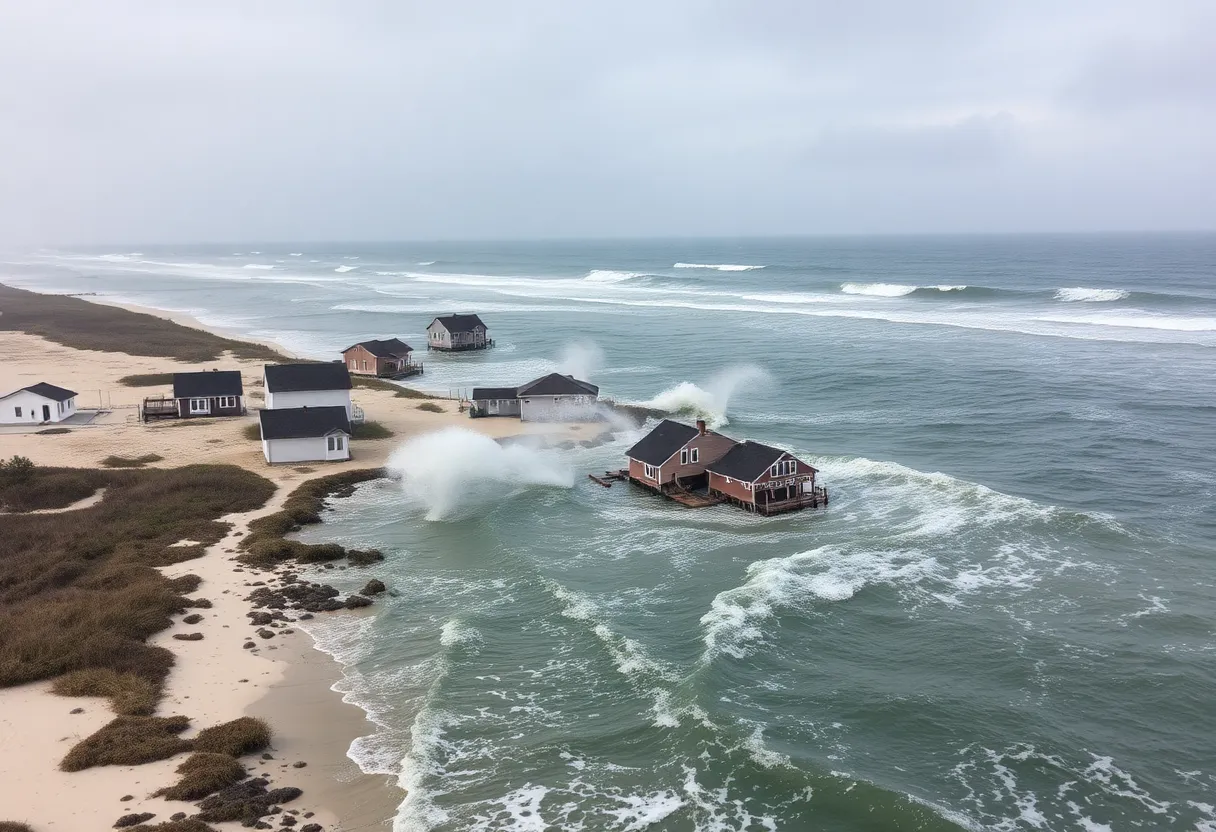
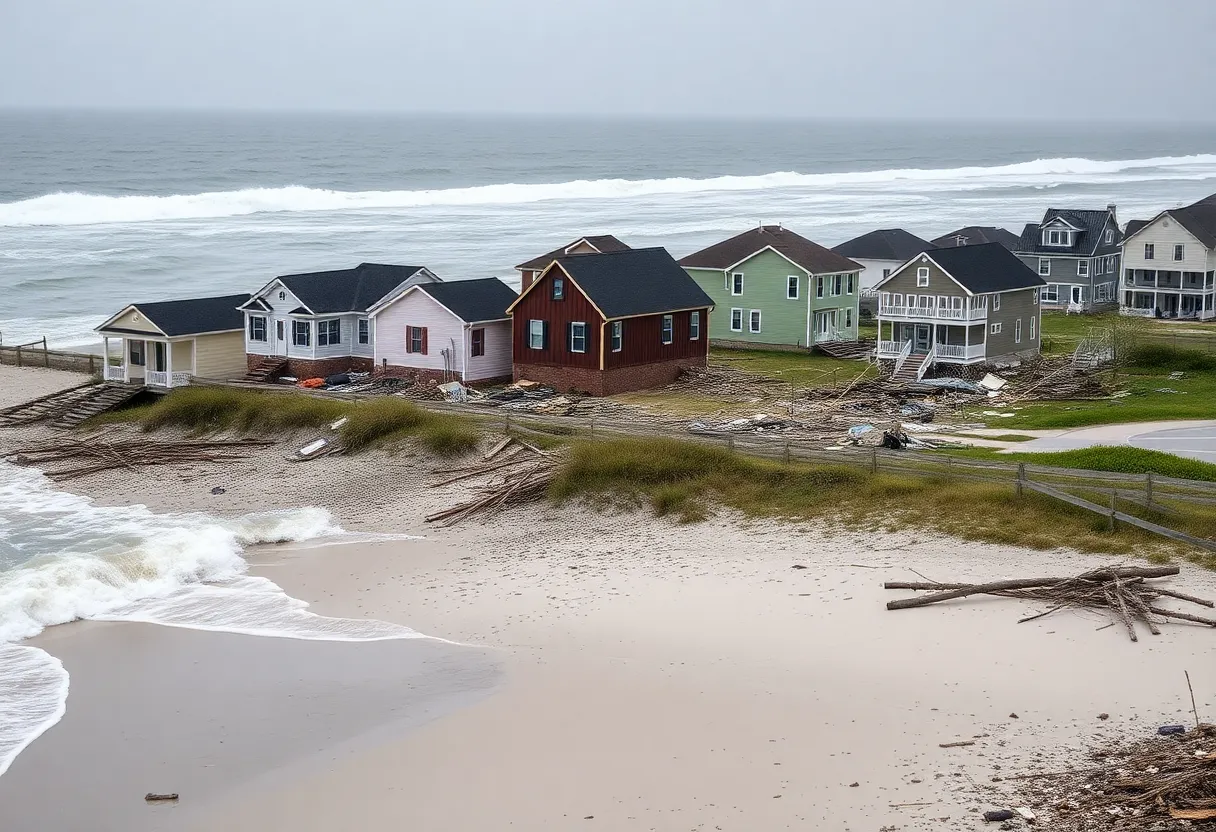
Coastal erosion is rapidly consuming parts of the Outer Banks of North Carolina, with significant impacts on both homes and infrastructure. Since 1980, some areas have lost more than 675 feet of beach, resulting in the destruction of over a dozen homes in the past five years alone. This ongoing environmental crisis is exacerbated by frequent nor’easters and hurricanes, which strike the fragile islands annually.
Destruction and Infrastructure Costs
Recent data reveals the extent of the damage; notably, Hurricane Joaquin, which tracked over 500 miles away from Hatteras in 2015, still caused approximately $2.3 million in damages. Similarly, Hurricane Erin’s waves and subsequent flooding forced Highway 12 to close for three days, indicating the vital role of this roadway that connects the island communities.
The North Carolina Department of Transportation has been investing heavily in maintaining Highway 12, costing an average of $1 million each year. Since 2012, the state has allocated over $43 million for various repairs and maintenance efforts related to storm damage. Significant investments occurred following major hurricanes, including nearly $30 million for repairs after Hurricane Sandy in 2012, and an additional $11 million following the impact of Hurricane Irene in 2011. To alleviate ongoing issues, a permanent detour for Highway 12 was constructed, including a new 2.4-mile bridge completed between 2018 and 2022, costing $145 million.
Rodanthe’s Struggle Against Erosion
In the town of Rodanthe, the situation is dire; the National Parks Service reported that eleven homes have collapsed since 2020, primarily due to severe storm events. Two additional homes were proactively demolished to prevent their inevitable fall into the ocean. Satellite imagery from 2009 shows that only one home remains out of seven that once stood, highlighting drastic changes in the landscape caused by coastal erosion.
The remaining home was constructed in 1987 when the shoreline was significantly farther from the building. Over the years, as the shoreline has receded an average of 16.9 feet per year, much of the surrounding area has succumbed to being submerged underwater. Currently, between half and two-thirds of land parcels nearby are either partially or completely inundated, with eight parcels on Corbina Drive entirely submerged.
Geographic Vulnerability and Climate Change
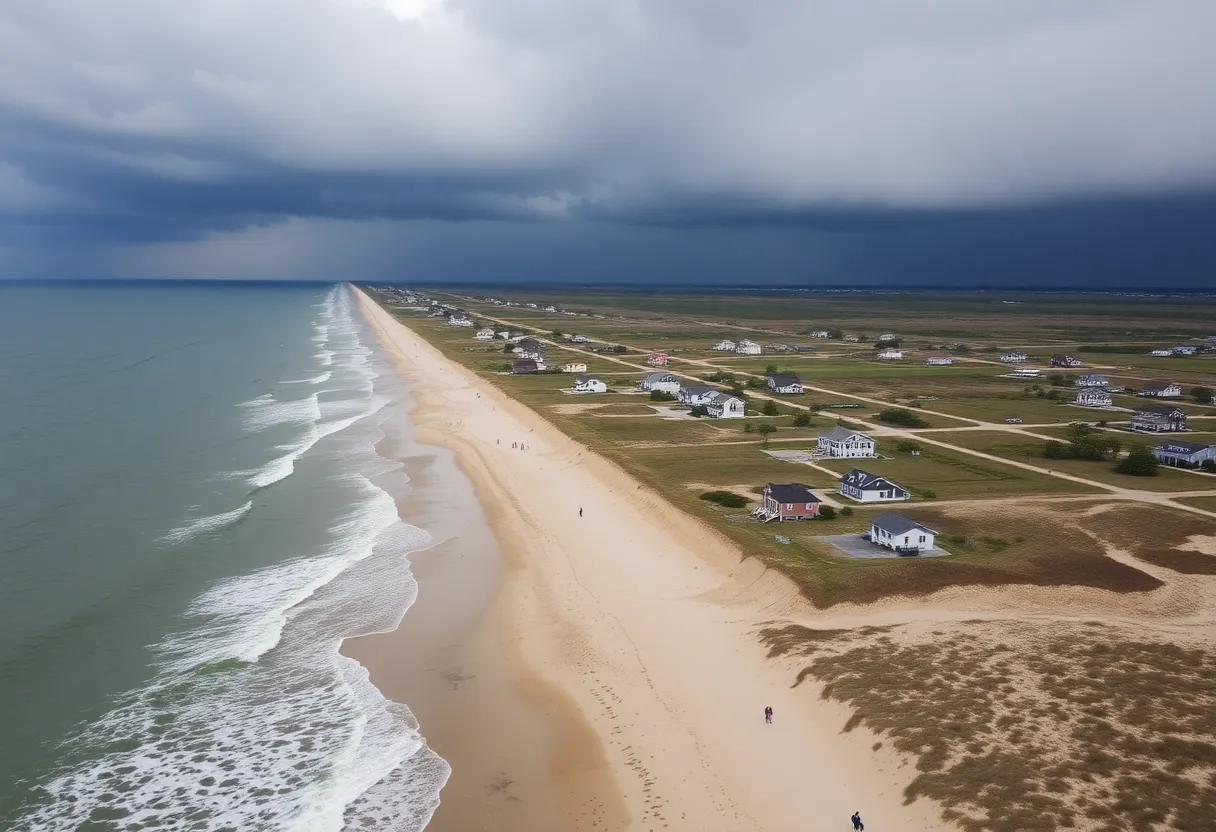
The unique topography of the Outer Banks contributes to their vulnerabilities, as the islands are incredibly narrow and prone to storm surges. Current protective measures are limited to sandbagged dunes, which storms can easily breach. With rising sea levels and increasing hurricane intensity linked to climate change, the situation is expected to worsen.
Similar erosion challenges have been documented in other coastal regions, such as Cape Cod, Massachusetts, indicating a broader national issue affecting the U.S. coastline.
Conclusion
The persistent coastal erosion on North Carolina’s Outer Banks poses significant threats to residents, homes, and infrastructure. Increased investment in protective measures and ongoing maintenance is crucial as climate change continues to challenge coastal communities across the nation.
FAQ
What caused the coastal erosion in the Outer Banks?
The coastal erosion in the Outer Banks is primarily caused by natural phenomena such as storms, hurricanes, and nor’easters, exacerbated by climate change factors including rising sea levels and increasing storm intensity.
How much has the North Carolina state government spent on maintaining Highway 12?
Since 2012, the state has spent over $43 million on maintaining Highway 12, which includes repairs from storm damage.
What are the long-term implications of coastal erosion for the Outer Banks?
Long-term implications include the potential loss of homes and infrastructure, increased vulnerability to storms, and significant economic impacts due to decreased property values and tourism.
Key Features of Coastal Erosion in the Outer Banks
| Feature | Value |
|---|---|
| Beach Loss Since 1980 | Up to 675 feet |
| Homes Lost Since 2018 | 11 homes in Rodanthe |
| Cost of Highway 12 Maintenance (2012-2022) | $43 million |
| Average Erosion Rate | 16.9 feet per year |
| Investment in Permanent Highway Detour | $145 million |
Deeper Dive: News & Info About This Topic
HERE Resources
Hurricane Erin Leaves Significant Impact on North Carolina’s Outer Banks
N.C. Highway 12 Reopens After Hurricane Erin Cleanup
Hurricane Erin Causes Severe Flooding in Outer Banks
Hurricane Erin Threatens Outer Banks with Evacuations
Hurricane Erin Causes Severe Damage in Rodanthe
N.C. Highway 12 Reopens Following Hurricane Erin
Precautionary Swimming Advisory Issued for Outer Banks
N.C. Highway 12 on Hatteras Island Safe for Travel After Hurricane Erin
Hurricane Erin Triggers Evacuations in Outer Banks
Beach Homes in Rodanthe Threatened by Hurricane Erin
Additional Resources
- Outer Banks Voice
- Wikipedia: Coastal Erosion
- WRAL News
- Google Search: Outer Banks North Carolina coastal erosion
- NCPedia: Outer Banks
- Encyclopedia Britannica: Outer Banks
- The Weather Channel
- Google News: Coastal Erosion