
Outer Banks, North Carolina, August 15, 2025
News Summary
Coastal erosion on North Carolina’s Outer Banks is escalating, with some areas losing over ten feet of shoreline yearly. This alarming trend disrupts local communities and endangers homes, as rising sea levels and increased storm activity exacerbate the situation. Multiple homes have collapsed into the sea, highlighting the urgent need for effective erosion management and funding for preventative measures. As communities grapple with the economic impacts and seek innovative solutions, the future of this iconic coastline remains uncertain.
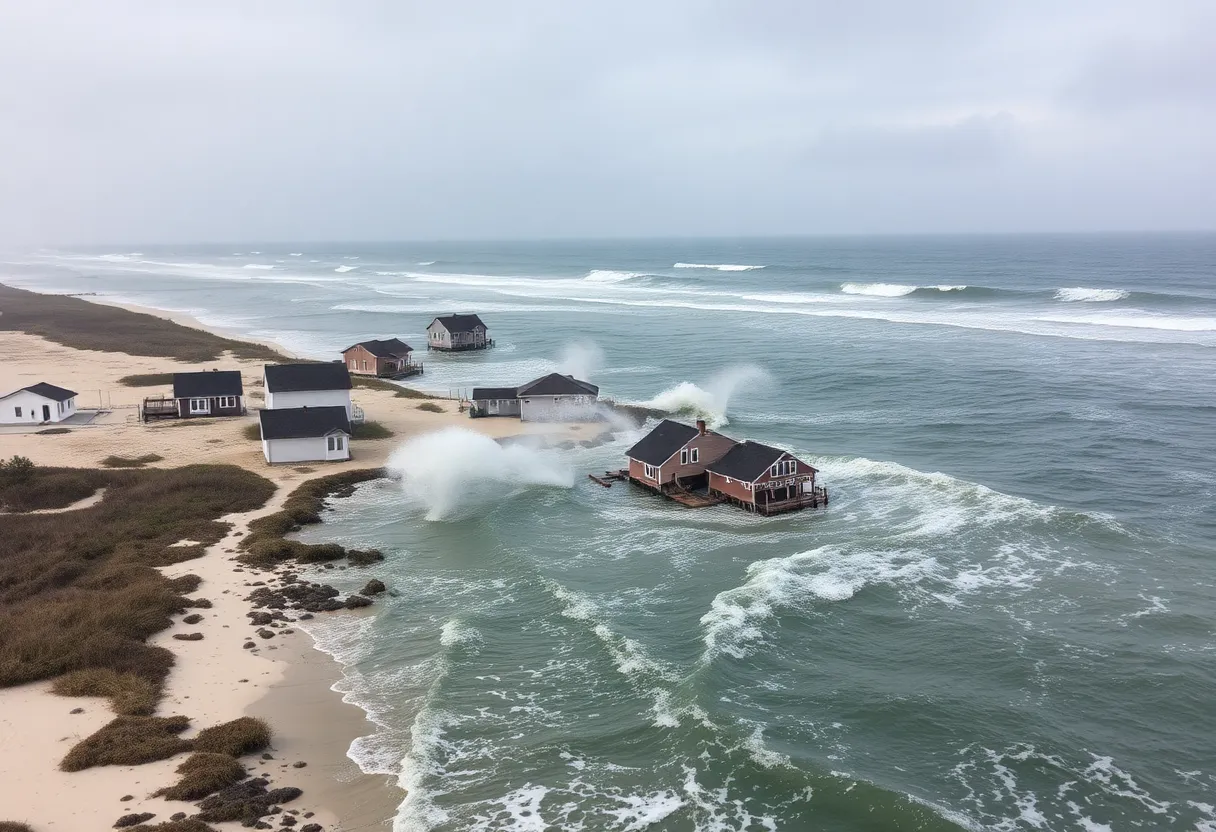
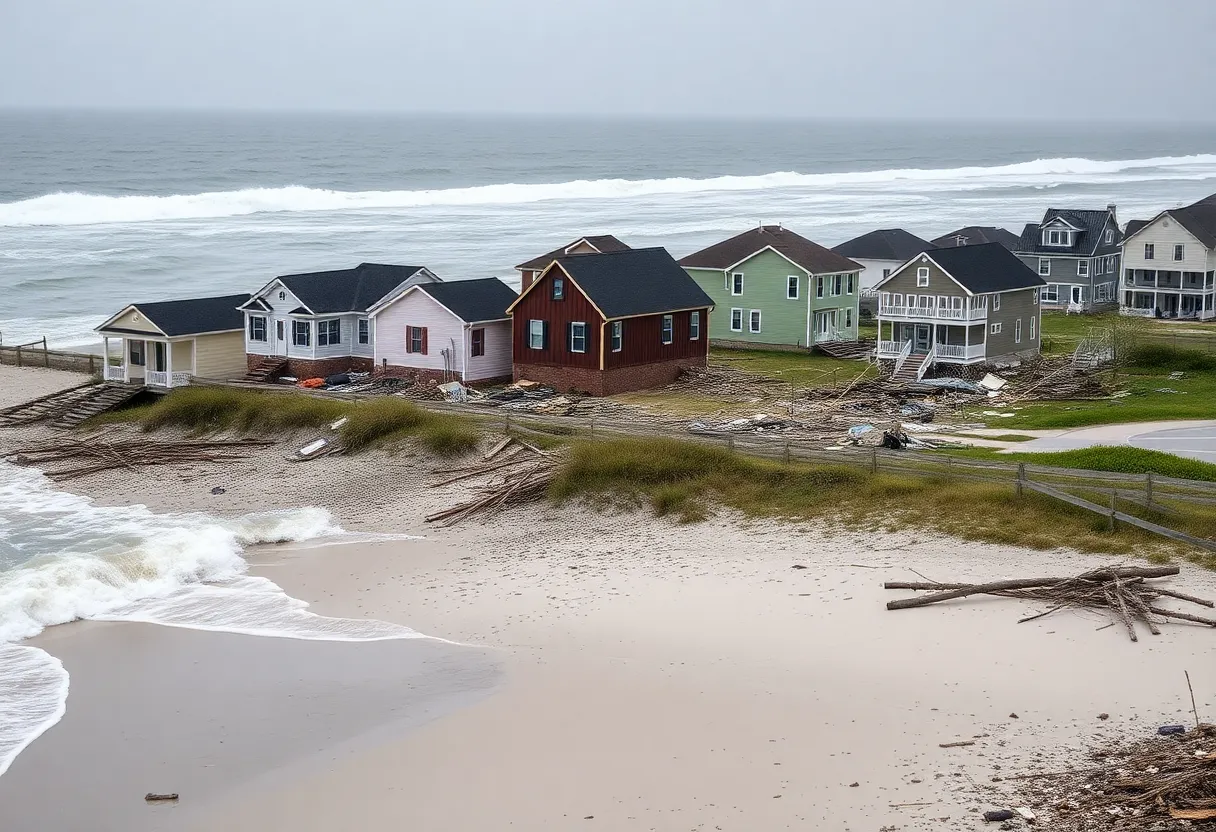
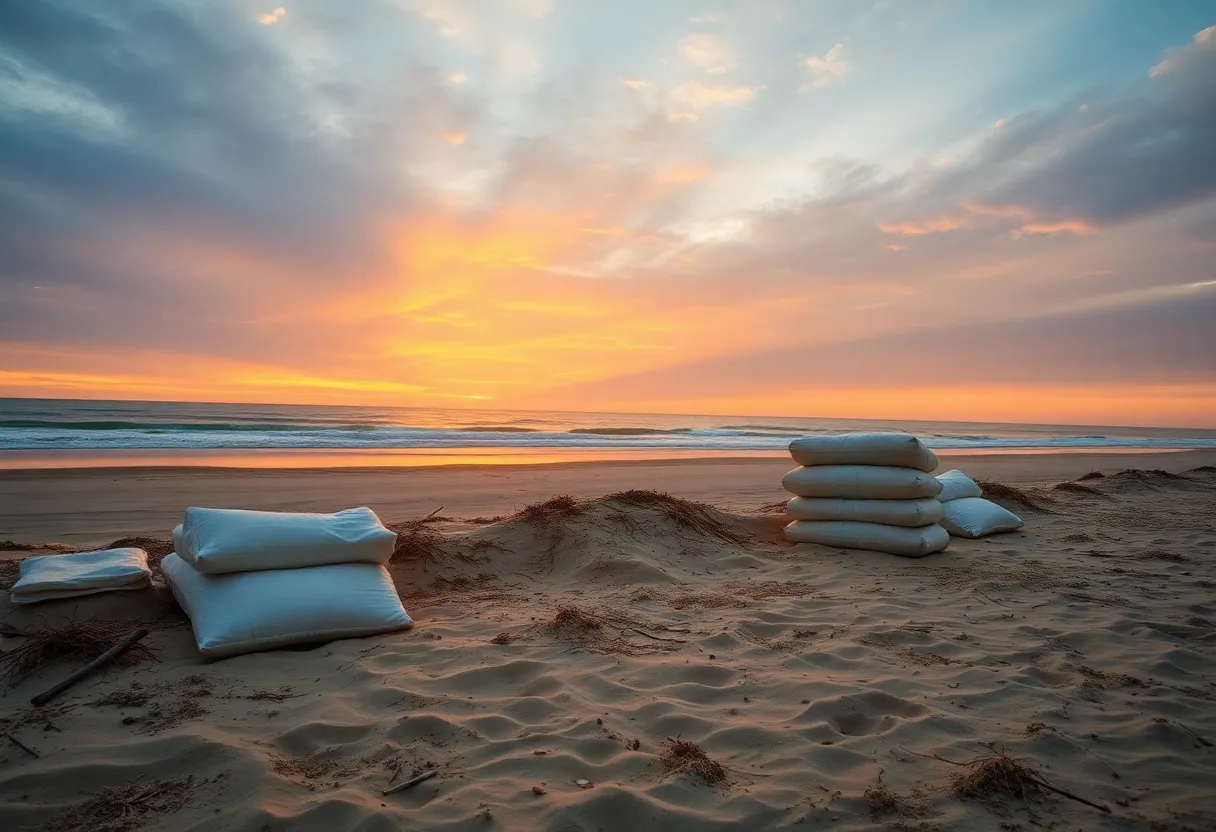
Outer Banks, North Carolina — Coastal erosion along North Carolina’s Outer Banks is intensifying, endangering homes and disrupting communities as some areas lose more than ten feet of shoreline each year. In the wake of this alarming trend, residents and visitors are increasingly finding the beaches they cherish transformed into stretches of sandbags rather than inviting shorelines.
Researchers are sounding the alarm about the shifting sands and coastal erosion affecting not only the Outer Banks but potentially the entire U.S. coastline as storm season draws near. The Outer Banks, known for its picturesque landscapes and as a popular tourist destination, is witnessing elevated erosion rates largely attributed to changing climate conditions. Current statistics reveal that several locations are reportedly losing between 10 to 15 feet of beach annually, compared to an average oceanfront erosion rate across the U.S. of about two to five feet annually.
Impact of Atlantic Storms
The Outer Banks faces additional challenges as strong Atlantic storms, especially those in the fall, can bring winds that reach hurricane strength, further exacerbating erosion. Federal data indicate that over two-thirds of the Mid-Atlantic coast is currently eroding, raising concerns for communities along this vulnerable stretch of coastline. In 2024 alone, at least seven homes were reported to have collapsed into the sea, contributing to debris and pollution in the surrounding waters.
Future Projections and Concerns
Future projections are equally grim, with experts estimating that sea levels in North Carolina could rise by at least one foot by 2050, ushering in more frequent high-tide flooding. This rising sea level not only threatens homes but poses risks to septic systems, potentially contaminating groundwater as levels rise. The economic impact of coastal property losses due to erosion is staggering, costing approximately $500 million annually.
Temporary Solutions and Challenges
In their attempts to combat erosion, many coastal communities are spending millions each year on temporary solutions like beach nourishment and dune building. However, funding for such measures is increasingly constrained, leaving local governments facing tough choices as insurance often doesn’t cover damages from erosion until properties collapse. Amid these rising risks, beachfront properties continue to be in high demand, complicating urgent proactive mitigation efforts.
Innovative Approaches
In light of these challenges, some innovative approaches are emerging. A pilot program by the National Park Service has resulted in the purchase and demolition of two homes at high risk of erosion in hopes of better managing the shoreline’s future. Additionally, a bipartisan bill has been introduced to assist property owners whose homes are threatened, aiming to address the existing gaps in insurance coverage for erosion-related damages.
Besides the substantial costs of cleanup, the debris from collapsed structures presents significant public health and environmental risks, which further elevates the stakes for communities situated on the shoreline. As coastal realities continue to shift, a focus on long-term planning and management of barrier islands is increasingly essential to safeguard residents and properties in this vulnerable region.
Concluding Remarks
The pressing issue of coastal erosion on the Outer Banks reflects broader environmental changes that also affect other coastal regions in the United States. Engaging local communities in discussions about adapting to these evolving shoreline challenges is crucial, and scientific expertise is critical in this effort as local governments confront the imperatives of climate resilience.
FAQ
What is coastal erosion?
Coastal erosion is the process by which coastlines erode over time due to wave action, currents, tides, and weather events.
Why is coastal erosion increasing on the Outer Banks?
Factors contributing to increased erosion include climate change, rising sea levels, and intense storm activity.
What has been the impact of erosion on local homes?
In recent years, homes along the Outer Banks have collapsed into the sea, leading to significant property losses and public health risks from debris.
What measures are communities taking to combat coastal erosion?
Communities are employing temporary solutions such as beach nourishment and constructing dunes, but funding for these measures is becoming limited.
What is the long-term outlook for the Outer Banks regarding erosion?
Future projections indicate worsening erosion with rising sea levels and increased storm frequency, highlighting the need for proactive management strategies.
Key Features Chart
| Feature | Details |
|---|---|
| Erosion Rate | 10-15 feet per year in some areas |
| Average Erosion Rate | 2-5 feet annually (U.S. average) |
| Projected Sea Level Rise | At least one foot by 2050 |
| Cost of Coastal Property Loss | $500 million annually |
| Number of Homes Collapsed (2024) | 7 homes |
Deeper Dive: News & Info About This Topic
HERE Resources
Tropical Storm Erin Gaining Strength Threatens Outer Banks
Housing Survey Launched for Outer Banks Workers
Hazardous Beach Conditions Issued for Outer Banks
Courageous Rescue at Outer Banks Saves Woman and Child
High Risk of Life-Threatening Rip Currents in Outer Banks
Outer Banks Forever Receives $50,000 Grant for National Parks
East Coast Beaches Face Dangerous Swimming Conditions
Beach Hazards Warning Issued for Northern Outer Banks
National Weather Service Warns of Beach Hazards in Outer Banks
Rodanthe, N.C.: Homes in Danger Due to Hurricane Ernesto
Additional Resources
- CBS News: Coastal Erosion in North Carolina
- Wikipedia: Coastal Erosion
- WSOCTV: Ocean Isle Homeowners and Coastal Erosion
- Google Search: Coastal Erosion
- Fast Company: Resilient Home Design
- Encyclopedia Britannica: Coastal Erosion
- Financial Times: Coastal Erosion and Impacts
- Google News: North Carolina Coastal Erosion