

News Summary
A Wanchese man is hospitalized due to a severe Vibrio vulnificus infection stemming from a minor leg cut. The CDC warns these infections can be fatal in hours. North Carolina reports 59 cases, prompting alarm among local fishermen and the community due to climate change and rising water temperatures contributing to these dangerous bacteria’s prevalence. Safety measures are urgently needed as awareness grows.
Wanchese, N.C. — Rising Risks of Vibrio Vulnificus Infections
A man in Wanchese, North Carolina, is recovering in the hospital after spending over a week being treated for a severe infection caused by Vibrio vulnificus, a flesh-eating bacteria that poses a lethal threat. The infection developed from a minor cut on his leg, highlighting the growing dangers of this type of bacterial infection, which the Centers for Disease Control and Prevention (CDC) indicates can be fatal in less than 48 hours for some individuals.
Currently, data from North Carolina shows a total of 59 reported cases of Vibrio infections, with one resulting in death as of July 31. The situation remains concerning not only for the infected man, whose friend described the experience as “scary” despite positive signs of recovery, but also for local fishermen who frequently operate in environments where the bacteria thrive.
Vibrio vulnificus is primarily found in warm, brackish waters, increasing the vulnerability of those who work or recreate near the coast, especially during warmer months. Experts are increasingly linking climate change and rising water temperatures to the proliferation of these bacteria. Ava Ellett from NOAA has noted that when water temperatures exceed 90 degrees Fahrenheit, the rate at which Vibrio populations can double becomes alarmingly high.
Local Fishermen on Alert
As summer continues, local fishermen and watermen are expressing heightened caution regarding the risks of infection. Fisherman Marc Mitchem has lost two fellow colleagues to Vibrio-related infections in the past two years, prompting him to advocate for safety measures among dock workers to prevent further incidents. Fellow watermen like John Silver have made it a point to support those affected by infections and to raise awareness about safety practices.
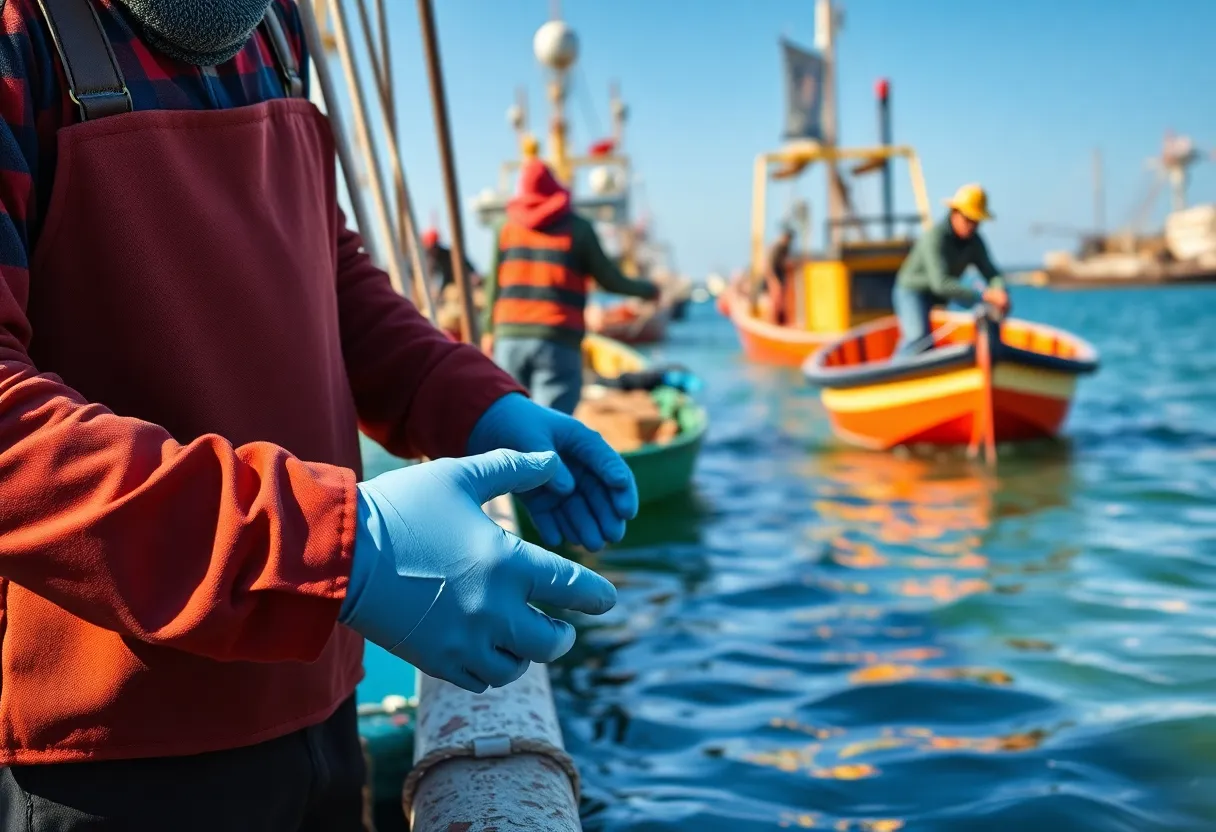
To mitigate risks, watermen are advised to wear gloves while working, keep a fully stocked first-aid kit handy, and promptly treat any cuts or scrapes after exposure to saltwater or brackish water. Additionally, individuals are reminded to avoid exposing open wounds to contaminated water and to shower after engaging in activities in such environments. It is also crucial to cook all shellfish thoroughly to an internal temperature of at least 145 degrees Fahrenheit to prevent infection.
Increase in Vibrio Infections
The rise in reported Vibrio infections aligns with long-established correlations between warmer water temperatures and the frequency of infections caused by the bacteria. As such, health authorities are bracing for even more cases as the summer heat persists. Historical trends have shown Vibrio infections becoming more prevalent, particularly during warmer months and following extreme weather events.
A notable recent case involved Murray Bridges, a well-known local crabber, who tragically succumbed to an infection following a minor injury while handling contaminated water. These shocking incidents underline the urgent need for improved health awareness in coastal communities.
Delays in Reporting and Public Health Recommendations
As of late August, health authorities in Dare County have cautioned that lab confirmations for Vibrio infections can lag for several days, complicating the state’s ability to track and record cases accurately. As infections continue to rise, the North Carolina health department stresses the importance of taking preventive measures. Recommendations include covering any wounds while in or near water and adhering to the established cooking guidelines for shellfish.
The situation in Wanchese serves as a critical reminder about the growing risks associated with Vibrio vulnificus infections, especially for those living and working in coastal areas. With the combination of rising water temperatures and increased exposure risks, communities must remain vigilant in their safety practices to ensure health and well-being among fishermen and outdoor enthusiasts alike.
Deeper Dive: News & Info About This Topic
HERE Resources
Local Fishermen Alarmed by Rising Vibrio vulnificus Infections
Man Hospitalized with Life-Threatening Vibrio Infection in Wanchese
Health Warnings Issued Amid Rising Vibrio Infections in NC
Man Hospitalized Due to Vibrio vulnificus Infection in Outer Banks
North Carolina Man Hospitalized Due to Vibrio Vulnificus Infection
Health Officials Warn of Rising Vibrio vulnificus Infections in Outer Banks
Outer Banks Man Hospitalized Due to Flesh-Eating Bacteria Infection
Additional Resources
- WRAL: Outer Banks Vibrio Risk Increase
- Wikipedia: Vibrio vulnificus
- Wymt: Fisherman Fighting Flesh-Eating Bacteria
- Google Search: Flesh-eating bacteria infections
- Pilot Online: Legendary Outer Banks Crabber Dies
- Encyclopedia Britannica: Bacteria